

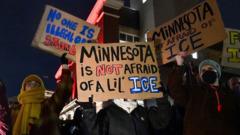
Minneapolis is once again on edge after an ICE agent shot and killed a woman during a federal enforcement operation — and predictably, outrage hit social media faster than verified facts.
According to federal authorities, the agent fired because he believed the woman was attempting to strike him with her vehicle. That matters. A lot. Law enforcement officers are trained that a vehicle can be a deadly weapon in seconds, not a misunderstanding waiting for a press conference.
But instead of waiting for investigators to finish their work, protests erupted almost immediately.
Sound familiar?
Local politicians were quick to publicly question the federal account, despite not controlling the investigation and despite not releasing full video or forensic details. That’s not transparency — that’s politics.
Here’s what often gets buried under emotional headlines:
- Federal agents were conducting a lawful operation
- The officer claims fear for his life
- A vehicle in close proximity during a tense encounter is considered a lethal threat in policing standards
- Investigations take time, even when activists demand instant verdicts
Yet within hours, the story being pushed wasn’t “What happened?” but “Who can we blame?”
That’s a dangerous pattern.
Law enforcement officers operate in unpredictable, split-second situations most commentators will never experience. Judging a deadly force decision from a phone clip, without context, without tactical awareness, and without the full evidence, is easy — and usually wrong.
Are mistakes possible? Of course.
Should investigations happen? Absolutely.
But treating every officer involved shooting as automatic guilt isn’t justice — it’s mob instinct.
Final thought:
If we want truth instead of chaos, shouldn’t we let the investigation finish before declaring law enforcement the villain again?
