

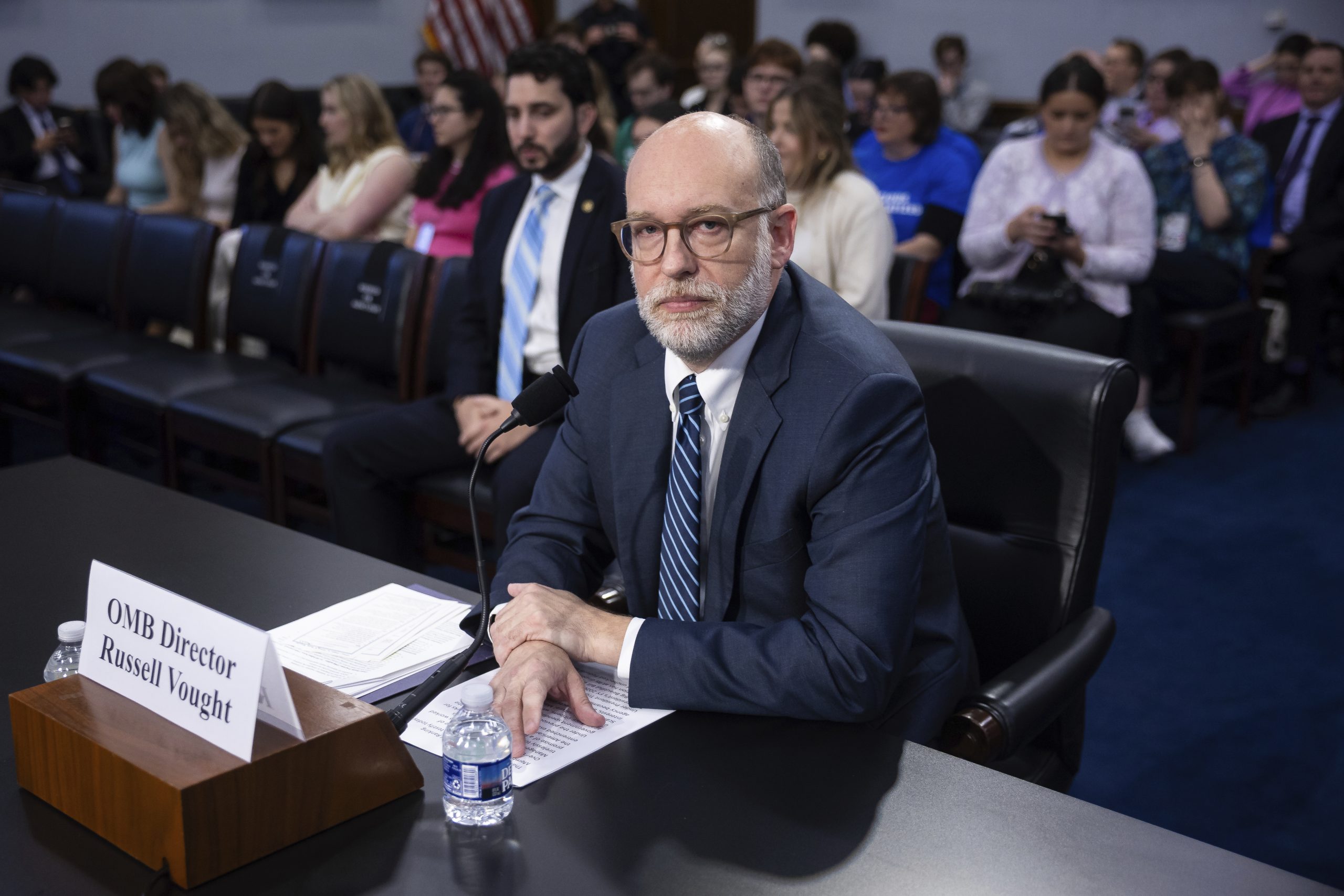
**Headline: Trump’s Defense Budget: More Military Cash, Less of Everything Else**
So, Trump wants Congress to back a $1.5 trillion defense budget and slash domestic programs. Surprise, surprise. It’s like he’s been hinting at this for months, and now we get the official breakdown.
His proposal includes a military spending hike of over 40%. The plan? Use a party-line reconciliation process to push through about $350 billion, conveniently bypassing any need for bipartisan negotiation. Because who needs cooperation when you can just steamroll ahead, right?
Republican leaders are warming up to the idea of sidelining Democrats to pump up defense dollars while immigration enforcement gets left hanging—classic move. But good luck to Trump trying to rally enough support from his own party. Fiscal conservatives aren’t exactly thrilled about the idea of massive military spending without matching cuts elsewhere. They already swallowed a multitrillion-dollar spending package last summer; they’re not keen on more fiscal acrobatics.
And let’s not overlook the timing: Trump insists we’re winning the war against Iran, even though this budget seems separate from any extra funding needed for that situation. So, what’s it really about?
The White House is touting this budget as “historic,” claiming it’s comparable to military build-ups seen before World War II. They want $66 billion for Navy shipbuilding—34 new warships, because we definitely need more boats. Plus, there’s a proposed pay raise of up to 7% for junior enlisted troops, who I’m sure will be thrilled to hear they might be getting a bit more while the rest of the country gets a budget haircut.
Oh, and here’s the kicker: while they’re pushing for this military windfall, they’re also eyeing a 10% cut to non-defense spending. That means a $73 billion hit to federal programs. Environmental initiatives? Say goodbye to $15 billion for renewable energy grants. Infrastructure programs for electric vehicle charging? Slashed by $4 billion.
They’re also on a mission to eliminate research programs and cut funding for agencies that support minority-owned businesses. It’s like they’re checking off boxes for “most convenient cuts” without much thought for the consequences.
And as if that wasn’t enough, they’re calling for the creation of a National Fraud Division to tackle what they see as rampant fraud in safety net programs. Because let’s not forget, the real issue in America today is clearly not the glaring wealth inequality or the crumbling infrastructure; it’s the stray $5 here and there in Medicare.
To top it all off, this budget is late again—just like last year. But hey, who needs to be timely when you’ve got a “historic” military budget to sell?
So, is it really about national security, or are we just playing a fiscal game of “who can cut the most while pretending it’s for the greater good”?
By Admin | Published: April 3, 2026 at 1:23 pm
