

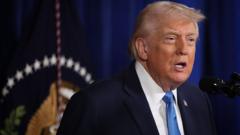
Earlier the president said US oil firms could be “up and running” in the country within 18 months.
Let’s drop the drama and look at this the way the real world works.
President Donald Trump says Venezuela will be turning over 30 to 50 million barrels of oil to the United States — oil that’s been sitting under sanctions, mismanagement, and political chaos for years. According to Trump, the oil will be sold at market price, with the proceeds controlled by the U.S. to benefit both Americans and Venezuelans.
Predictably, critics rushed to clutch their pearls. But what Trump is describing isn’t some radical fantasy — it’s a transactional approach to power, something global energy markets have always understood, even when politicians pretend otherwise.
After a surprise U.S. military operation removed Nicolás Maduro from power, Venezuela is now under interim leadership and desperate for stability, investment, and access to functioning markets. Trump’s message is blunt: oil doesn’t help anyone if it stays trapped underground while a country collapses.
Trump has also said the U.S. oil industry could be operational in Venezuela within 18 months, drawing in major investment. Analysts point out that rebuilding Venezuela’s energy sector could take years — which is true. But that’s exactly why Trump’s approach matters. He’s not selling miracles. He’s selling direction, control, and leverage, three things Venezuela hasn’t had in a long time.
On NBC News, Trump put it simply: a Venezuela that produces oil helps keep global prices down. That’s not ideology — that’s economics. And it’s why major U.S. petroleum companies are already lining up to talk.
Is this messy? Of course. Rebuilding a broken country always is. But pretending Venezuela could fix itself through polite diplomacy and press releases hasn’t worked either. Trump’s move signals something different: the era of endless sanctions with no endgame may be over.
Call it aggressive. Call it unconventional. But in a world where energy equals power, Trump is doing what leaders are paid to do — secure resources, stabilize markets, and put American interests on the table instead of pretending they don’t exist.
The real question isn’t whether this makes some people uncomfortable.
It’s whether anyone honestly believes the old way was working better.
